Skip to content
The Fitting Room

Honest guides to bra fit, styles and care

Bra Fit, Sizes and Styles Explained

Most people learn their bra size once, often in a hurry, and then keep buying the same number and letter for years. Meanwhile the label changes from one maker to the next, the fabric stretches, and the bra that felt fine in the store starts riding up by lunchtime. A good fit is less about a magic number and more about knowing what to check.

Guides
20
Sections
5
Writers
2

The Fitting Room is an English-language guide to exactly that: how to measure bra size at home, how the size labels work, the different types of bras and what each is built to do, everyday comfort, sports and nursing bras, and how to wash, store and replace what you own. It sells nothing and recommends no brands. It explains the measurements and the trade-offs so you can walk into a fitting room knowing what to look for.

The fitting room checklist: five steps to a better fit

Work through these in order. Each step has a full article behind it if you want the detail.

  1. Take two measurements. A soft tape snug around the ribcage just under the bust gives the band; a looser pass around the fullest part gives the bust. How to measure bra size walks through both, the simple math, and why the result is a starting point rather than a final answer.
  2. Read the label correctly. A 34C in one country is not always a 34C in another, and cup letters climb differently after D. The bra size chart guide explains how band numbers and cup letters relate across US, UK and EU labels.
  3. Know your neighbors. If the cups fit but the band is loose, or the reverse, a sister size may solve it. Bra sister sizes shows how one band size up and one cup size down keeps roughly the same cup volume.
  4. Check the fit on the hook you’ll actually use. A new bra should feel level and secure on the loosest hook, with straps doing only a small share of the work. Signs your bra does not fit covers the band, cups, straps and center gore one by one.
  5. Match the style to the job. The right size in the wrong shape still won’t feel right. Types of bras is a field guide to common styles, from full coverage to balconette, and what each one is designed for.

The five sections

Section What’s inside Start with
Sizing & Fit Measuring at home, size charts, sister sizes and fit problems How to measure bra size
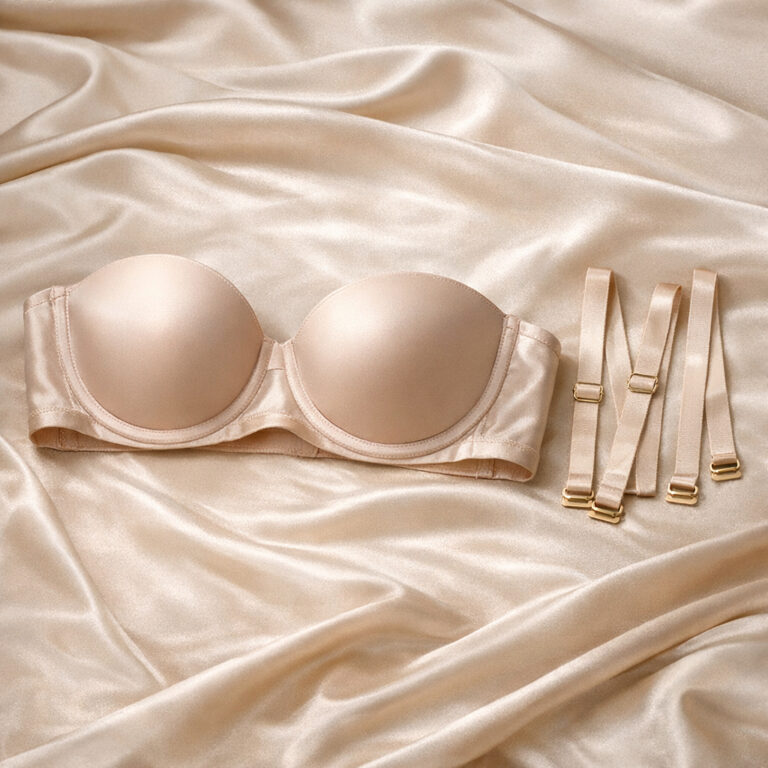
Bra Styles The main types of bras, strapless and convertible designs, necklines and shaping Types of bras
Everyday Comfort Bralettes, wireless bras, T-shirt bras and full coverage designs for daily wear Wireless bras
Sports & Nursing Choosing a sports bra, impact levels, nursing bras and sizing through pregnancy How to choose a sports bra
Care & History Washing, storing and replacing bras, and how the garment developed How to wash bras

How the site is written

Two writers share the guide. Claire Dunmore, a long-time sewing hobbyist, writes the sizing, fit and style articles. Hannah Brooks, a runner and mother of two, covers everyday comfort, sports and nursing bras, care and history. Neither is a professional bra fitter or a health professional, and the articles never pretend otherwise: sizing systems and historical details are checked against published sources, claims that are often repeated but poorly supported are left out, and anything medical is referred to a doctor, midwife or lactation consultant.

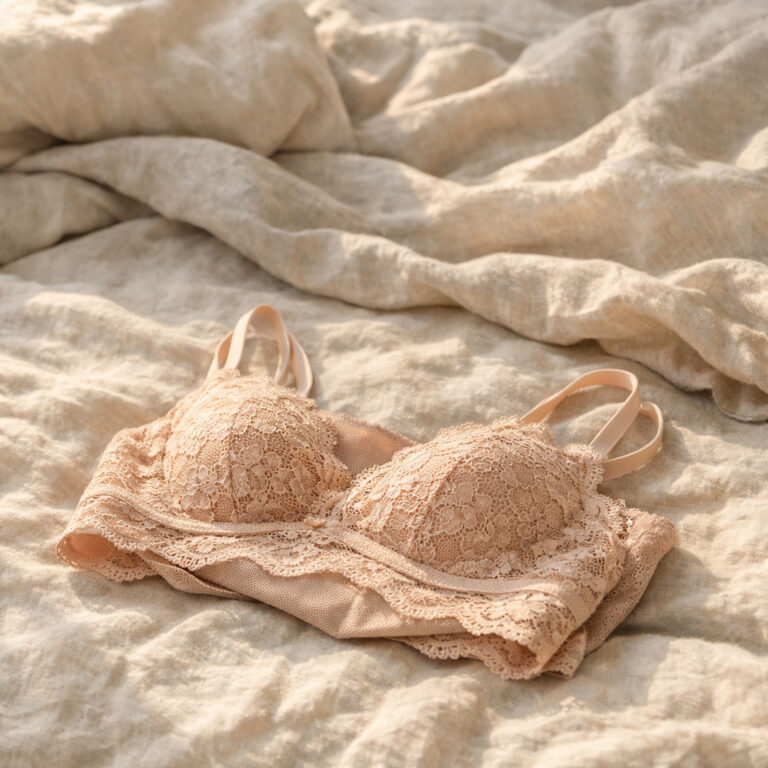
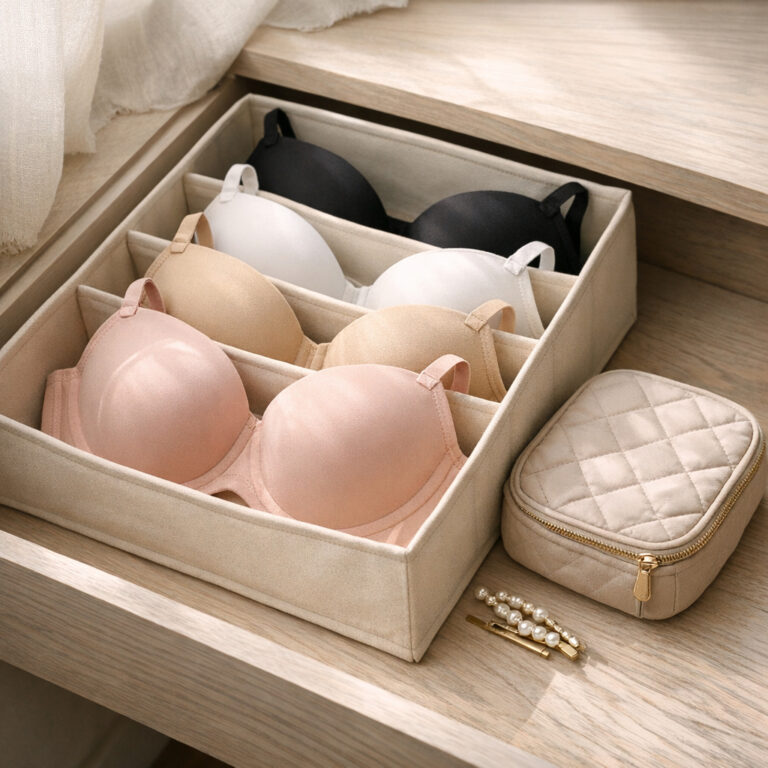
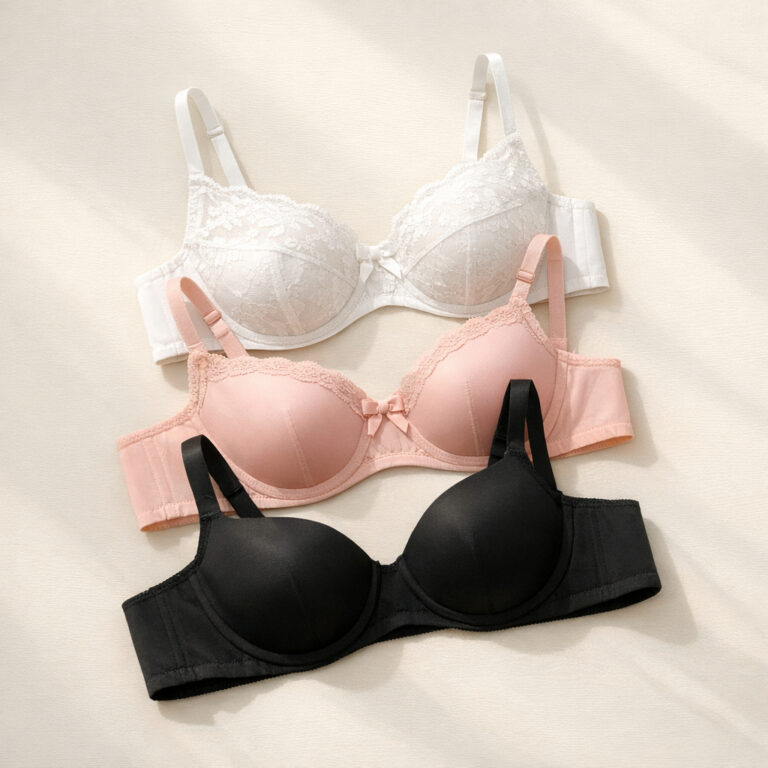
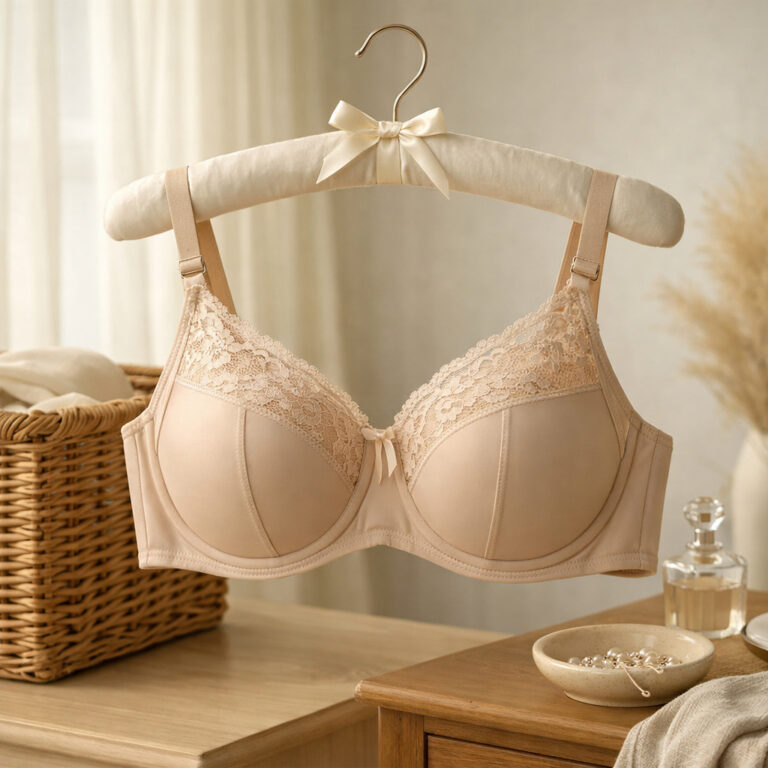
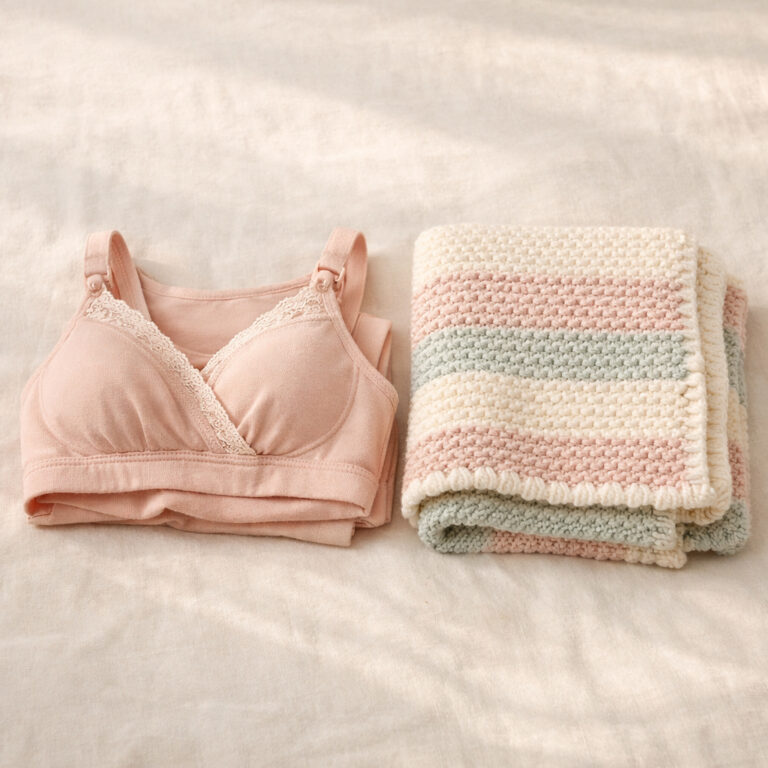
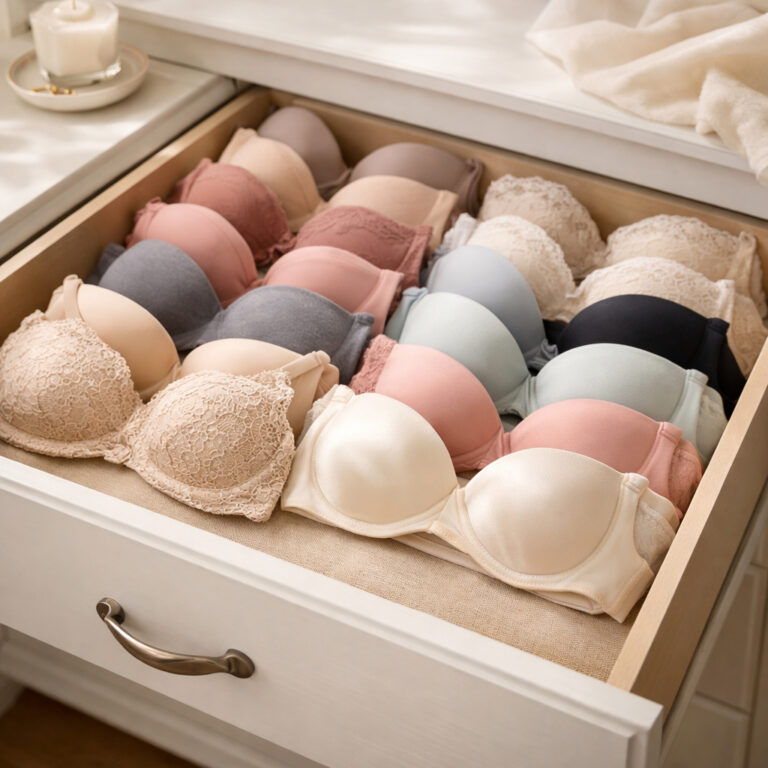
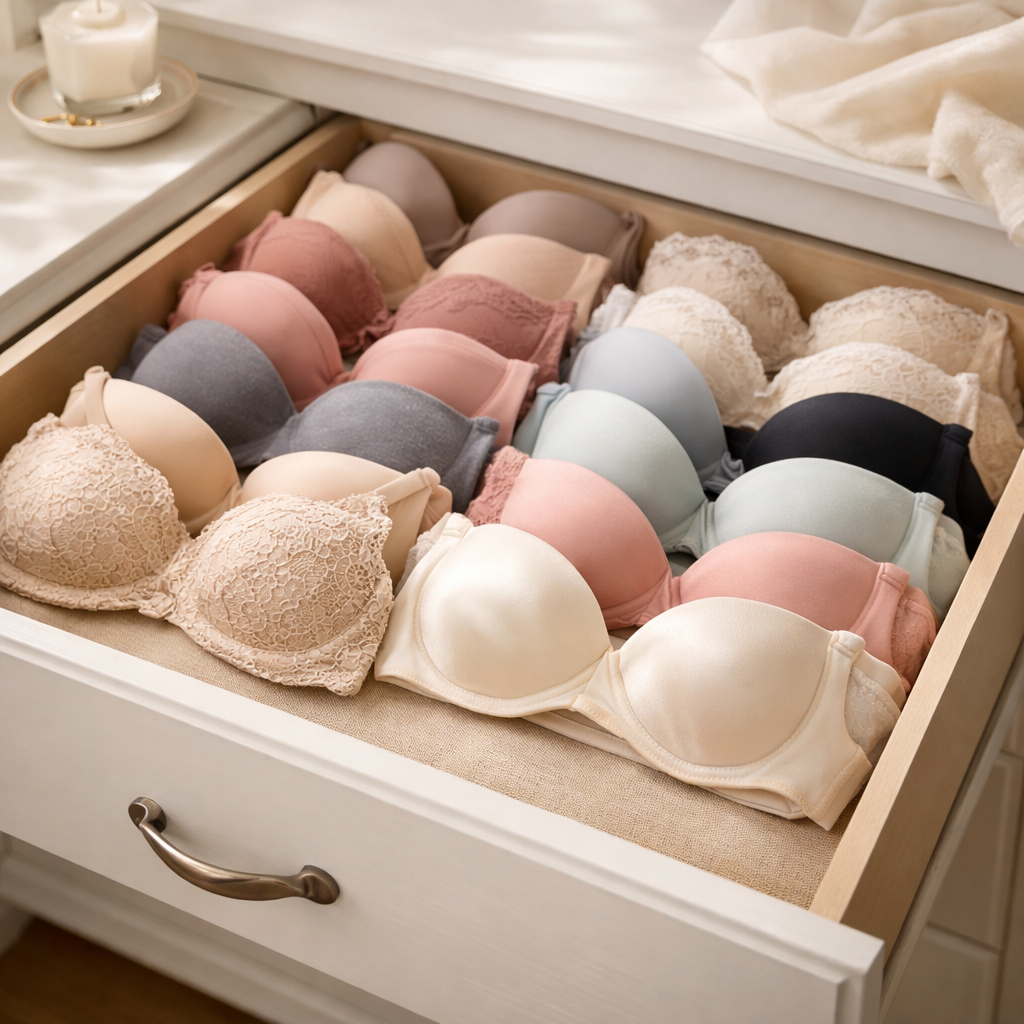
The pictures on the site are still lifes of garments, fabric and sewing tools; they never show people. More about the writers is on the About page, and the rules they follow are in the editorial policy.

Just hung up

The newest guides

All guides

Behind the curtain

Who writes the guides

Claire Dunmore

8 guides

Writes the sizing, fit and style guides. A long-time sewing hobbyist who has taken apart and altered more bras than she can count — not a professional bra fitter or lingerie designer, so she explains the measurements and the trade-offs and leaves the final call to a good fitting.

Hannah Brooks

12 guides

Covers everyday comfort, sports and nursing bras, and care and history. A runner and mother of two who has bought her share of the wrong bras — not a doctor, midwife or lactation consultant, and points readers to one for anything health-related.